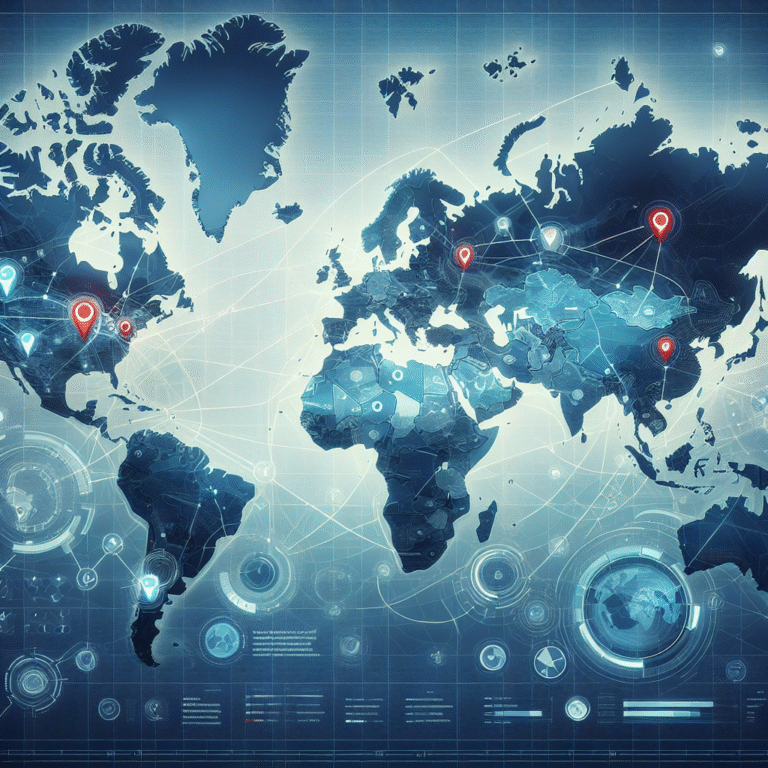
Shifts in Power and the Return of Practical Alliances
Major powers are experimenting with “de-risking,” not full decoupling. The United States and China continue a managed rivalry, while Europe tightens investment screening and export controls for critical tech. BRICS expansion and a more assertive Global South are widening venues for negotiation, finance, and standards-setting. These geopolitical trends favor flexible, issue-based groupings—on semiconductors, clean energy, and maritime security—over grand bargains.
Signals to Watch for Strategic Positioning
- New outbound investment rules and export controls on chips, AI, and quantum tools.
- Defense-industrial cooperation pacts and NATO capability timelines.
- Global South coordination on commodities, critical minerals, and digital rules.
- Shifts in corporate supply footprints toward “China+1,” nearshoring, and friendshoring.
Elections, Mandates, and Policy Resets
After a heavy 2025 electoral calendar, 2025 opens with governments translating mandates into budgets and regulations. Expect recalibration in industrial policy, immigration, and energy security. Diplomacy in 2025 will be defined by trade reviews (including early USMCA consultations), WTO dispute outcomes, and standards for AI safety following the EU AI Act rollout phases.
Actionable Steps for Policy Exposure
- Map revenue to policy levers: subsidies, tariffs, procurement, and data localization.
- Scenario-test tax, labor, and permitting changes under new cabinets.
- Engage early in consultations on carbon border measures and digital trade rules.
Conflicts, Chokepoints, and Insurance Costs
Disruptions from the Black Sea to the Red Sea have reinforced the fragility of sea lines. Episodes of attacks and rerouting have raised freight and war-risk insurance, while intermittent water stress around the Panama Canal has periodically constrained capacity. The economic impact of global events here is nonlinear: small security shocks can ripple through inventories, prices, and delivery times.
Supply Chain Resilience Checklist
- Diversify carriers and lanes; pre-negotiate contingencies for Suez and Panama alternatives.
- Hold dynamic buffers on critical SKUs; simulate 30–60 day transit delays.
- Hedge bunker fuel and consider index-linked freight contracts.
- Monitor maritime advisories and port congestion dashboards weekly.
Energy, AI Demand, and Climate Finance
Energy markets in 2025 hinge on OPEC+ policy discipline, LNG project ramp-ups, and grid constraints driven by data centers and electrification. Meanwhile, climate finance negotiations intensify ahead of COP30 in Brazil, with pressure to scale loss-and-damage funding and accelerate adaptation pipelines. Companies should expect tighter disclosure on transition plans as jurisdictions align reporting standards.
Metrics That Matter
- Power price forwards near data center hubs; grid interconnection queues.
- Refined products cracks and diesel inventories as growth proxies.
- Carbon prices and offsets quality screens in voluntary markets.
Debt, Development, and the Global South
Several emerging economies face refinancing walls and climate-related shocks. Multilateral lenders are experimenting with hybrid guarantees and debt-for-nature swaps to unlock investment. For firms, local-currency financing and public–private partnerships can reduce volatility while aligning with development goals.
Searcher Intent: What Readers Want Answered
Top-ranking pages emphasize clarity on risks and practical moves. This world affairs analysis distills international relations trends into checklists and indicators, matching People Also Ask themes like “Which regions pose supply risk?” and “How will AI rules affect trade?” For leaders seeking global policy insights, the goal is timely action, not alarm.
Quick Answers for 2025 Planning
- Biggest near-term swing factor: policy follow-through after 2025 elections.
- Most actionable hedge: multi-route logistics with flexible contracts.
- Underrated risk: grid bottlenecks from AI demand affecting operations.
- Underrated opportunity: incentives in clean manufacturing and critical minerals.
In short, global affairs 2025 will reward firms that read weak signals early and convert them into resilient portfolios—balancing exposure to growth markets with robust controls. Anchor planning in data, diversify political risk, and keep a living playbook for fast-moving diplomacy in 2025. Use this framework to track geopolitical trends and translate them into measurable outcomes across finance, operations, and brand.