Introduction
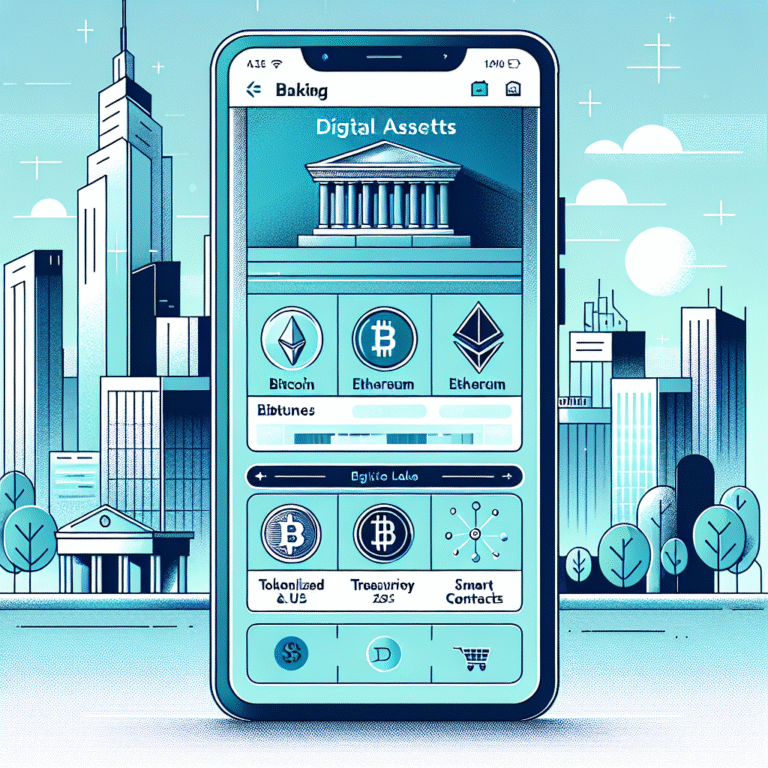
Picture this: It’s a winter morning in 2025, and Sam—who swore off crypto after the 2021 roller-coaster—opens a banking app to see a new “Digital Assets” tab right next to Savings and Investments. A headline below it reads: “Tokenized U.S. Treasuries now available.” In the news, Bitcoin ETF flows just set another weekly record, and Sam’s favorite retailer quietly added stablecoin checkout. Suddenly, the future isn’t abstract anymore. It’s here, live in your everyday money—just wrapped in buzzwords, acronyms, and a lot of noise.
If you’ve ever felt stuck between FOMO and fear, you’re not alone. The core problem in 2025 is no longer awareness—it’s overwhelm. There are Bitcoin ETFs, Ethereum staking yields, Layer-2 networks, tokenized real-world assets (RWA), CBDC pilots, and a flood of “yield” products. Add in new regulations (like Europe’s MiCA), evolving tax rules, and headlines about hacks or wallet drainer scams, and it’s easy to freeze. The cost of freezing, though, is missing the quiet shift of finance to programmable, always-on rails—where Bitcoin, Ethereum, and stablecoins already power global payments, savings, and investment strategies.
This guide meets you where you are. We’ll unpack the practical “how” with empathy: how to decide your allocation without guessing, how to move money safely, how to earn yield without walking into hidden risks, and how to slot all of this into a normal life. We’ll reference a resource like “Unlock the Future: How Blockchain and Crypto Will Transform Your Wealth …” as an optional companion if you want deeper context—but you won’t need to buy anything to take meaningful action today.
Key Strategies / Practical Solutions
1) Start with a risk budget and a plan you can stick to
- Choose a “sleep-at-night” allocation. For most diversified investors, a 1–5% crypto allocation is a reasonable starting range. More if you’re experienced and liquid; less if volatility keeps you up at night.
- Define your time horizon. Crypto’s four-year cycles (e.g., post-2024 halving dynamics in 2025–2026) clash with short-term expectations. If you need the cash within a year, keep it conservative.
- Assign roles in your portfolio:
- Core: Bitcoin (digital scarcity, macro hedge), Ethereum (settlement network, staking opportunities).
- Cash layer: Reputable stablecoins for liquidity, payments, and dry powder.
- Satellites: Select RWAs (e.g., tokenized treasuries), and cautious exposure to L2 ecosystems you actually use.
- Pre-commit to rules:
- Dollar-cost average (DCA) weekly or monthly.
- Set specific rebalancing thresholds (e.g., rebalance if crypto grows beyond 2x your target).
- Decide exit tranches for profit-taking to reduce emotional decisions.
Mini-scenario (Maria, 42): Allocates 3% of her portfolio—2% split between a Bitcoin ETF and spot ETH, 1% in stablecoins for flexible opportunities. She rebalances quarterly and runs a small DCA every Friday.
2) Pick your on-ramp without losing on fees or flexibility
- Centralized Exchanges (CEX): Easy fiat on-ramps and recurring buys, but compare fees, spreads, and withdrawal limits.
- Brokerages/Fintech Apps: Bitcoin and Ethereum exposure through ETFs or limited assets; simpler taxes but sometimes higher fees or less control.
- Decentralized Exchanges (DEX) + Wallets: Maximum control, but requires handling self-custody and gas fees.
Tips:
– Start where you’re most comfortable. Many investors begin with a Bitcoin or Ethereum ETF for simplicity and later migrate some funds on-chain as they learn.
– When buying spot crypto, compare total cost: deposit fees + spread + trading fee + withdrawal fee.
– Keep a small “practice amount” to test deposits, DEX swaps, and withdrawals before moving larger sums.
3) Decide on custody: convenience vs control
- Custodial (exchange/broker): Simple, insured against custodian failure (to a point), but you rely on their security and policies.
- Self-custody (hardware or smart contract wallet):
- Hardware wallet: Offline private keys; strong against online hacks.
- Smart contract wallet (account abstraction): Features like spending limits, passkeys, social recovery, and two-factor approvals; great UX on L2s.
Practical flow:
1. Buy on a reputable exchange.
2. Withdraw to your wallet—first a small test, then the rest.
3. Secure your recovery method:
– Seed phrase stored offline (metal backup recommended).
– Consider Shamir backups or social recovery on supported wallets.
– Never type your seed phrase into a website. Ever.
Mini-scenario (Jay, 28): Keeps core long-term holdings on a hardware wallet with a metal backup. Uses an account-abstraction wallet on a Layer-2 for daily transactions and small DeFi experiments.
4) Build your crypto “core-satellite” mix
- Core holdings:
- Bitcoin: Low protocol risk, high liquidity; useful as a macro hedge and digital bearer asset.
- Ethereum: Settlement layer for DeFi/NFTs; access staking yields directly or through liquid staking tokens.
- Cash and liquidity:
- Reputable stablecoins (backed and attested, on regulated venues). Ideal for yield opportunities, payments, and avoiding tax events during rebalancing.
- Satellites (higher risk, smaller size):
- Layer-2 ecosystems you actually use (e.g., to reduce gas fees and speed up transactions).
- Tokenized treasuries or money-market RWAs from credible issuers.
- Avoid chasing “restaking” or complex yield loops unless you fully understand smart contract and counterparty risks.
Position sizing rule of thumb: If it can go to zero without derailing your plan, it belongs in satellites; otherwise it belongs in core or not at all.
5) Earn yield without hidden landmines
- Ethereum staking:
- Solo staking: Highest control, requires 32 ETH and technical setup.
- Pooled staking: Lower barrier; research provider security and track record.
- Liquid staking tokens (LSTs): Offer flexibility but introduce smart contract and depeg risks.
- Lending/borrowing on DeFi:
- Blue-chip protocols with audits and long uptime are safer than farm-of-the-month.
- Understand collateral ratios; liquidation cascades happen fast.
- Tokenized treasuries:
- Often yield comparable to money markets with on-chain settlement; review issuer’s legal structure and redemption terms.
Case study:
– In 2024–2025, many investors rotated idle stablecoins from 0% into tokenized T-bill wrappers yielding ~4–5% APY. Those who skimmed issuer docs, checked chain risk, and used reputable custodians captured yield with minimal complexity.
6) Optimize costs, taxes, and execution
- Dollar-cost average to reduce timing risk, especially around major events like the 2024/2025 halving cycle.
- Use Layer-2 networks to cut gas fees; batch transactions when mempools are calm.
- Bridges: Prefer official or battle-tested ones; test with small amounts first.
- Taxes:
- Track cost basis automatically; export from exchanges and wallets into tax software.
- Consider tax-loss harvesting during downturns (local laws vary).
- Some jurisdictions treat staking rewards as income; maintain clean records.
- Rebalancing:
- Automate reminders monthly or quarterly; sticking to a plan beats market-chasing.
7) Security hygiene: your invisible edge
- Devices:
- Keep your crypto device clean: no random browser extensions, no sideloaded apps.
- Use a separate email and strong passphrase manager; enable passkeys where supported.
- Transactions:
- Always verify addresses on a hardware screen.
- Start with a test transaction; then send the rest.
- Periodically revoke token approvals with a reputable tool.
- Scams:
- Beware of “urgent” airdrops, fake support, and signature requests you don’t understand.
- If a site requests your seed phrase, it’s a scam.
- Backups:
- Store backups offline, ideally split or using metal.
- Practice restoring a wallet with a tiny amount so you know it works.
8) Compliance and privacy, balanced
- KYC exchanges are standard in 2025; they simplify fiat on/off-ramps and taxes.
- Privacy:
- On-chain activity is public by default. Use fresh addresses for public posts and avoid sharing addresses widely.
- Privacy mixers face regulatory scrutiny; understand laws in your jurisdiction.
- Regulation:
- Europe’s MiCA improves clarity for investors and issuers.
- In the U.S., ETF approvals and stablecoin bills are moving, but details matter; follow reputable policy sources.
- CBDCs and bank integrations:
- Expect more pilot programs; in practice, stablecoins may remain the flexible, programmable cash layer for most individuals.
9) Plan your exits before you need them
- Profit-taking:
- Ladder sells at predefined price levels or market-cap milestones.
- Move profits to stablecoins or RWA tokens for yield while you decide next steps.
- Spending:
- Use stablecoin debit cards or direct merchant payments where available.
- Maintain receipts for tax purposes.
- Life events:
- Document access for trusted beneficiaries; include wallet instructions in your estate plan.
Note: For a structured “big picture” overview of these moving parts, a resource like “Unlock the Future: How Blockchain and Crypto Will Transform Your Wealth …” can serve as a helpful roadmap while you implement at your own pace.
Comparison Table
| Approach | What It Is | Best For | Costs/Fees | Pros | Cons | Setup Time |
|---|---|---|---|---|---|---|
| Traditional Brokerage (Crypto ETFs) | Buy exposure via regulated funds | Hands-off investors, retirement accounts | Expense ratio; brokerage commissions | Simplicity, tax forms, no wallets needed | No self-custody; limited on-chain utility | Low |
| Centralized Exchange (Spot Crypto) | Buy and withdraw actual coins | Beginner to intermediate users | Trading fees, spreads, withdrawal fees | Fiat on-ramps, recurring buys, liquidity | Custodial risk until you withdraw | Low–Medium |
| Self-Custody + DeFi | Use wallets, DEXs, and on-chain apps | Advanced users seeking control/yield | Gas fees; potential MEV costs | Full control, access to staking/RWAs | User error risk; learning curve | Medium |
| Automated DCA/Rebalancing | Recurring buys and periodic portfolio trims | Busy professionals, emotion control | Small automation fees or none | Reduces timing risk; enforces discipline | May underperform perfect timing | Low |
Integration / Daily Application
- Weekly rhythm:
- Run your DCA on the same day and time.
- Review portfolio drift; note if you are outside your rebalancing band.
- Check a short dashboard: BTC ETF flows, ETH staking APR, L2 gas fees, stablecoin supply trends.
- Monthly clean-up:
- Export transaction history to your tracker or tax tool.
- Revoke any stale token approvals.
- Update your watchlist with one learning goal (e.g., try an L2 bridge with $20).
- Quarterly decisions:
- Rebalance to targets; harvest losses if applicable.
- Review custody: does any exchange balance exceed your comfort?
- Evaluate yield sources; prune anything you can’t fully explain.
Low-effort, high-impact habits:
– Use a hardware wallet for long-term funds, and a smart contract wallet for daily use.
– Put your seed backup in a fireproof, water-resistant location; confirm your family knows the process without sharing the phrase.
– Subscribe to one or two reputable newsletters; ignore the rest.
Keep your mindset calm and iterative. You don’t have to “master crypto” to benefit from it. A simple, consistent routine beats sporadic sprints.
FAQ
1) How accurate are on-chain analytics and ETF flow data for timing investments?
They’re useful context, not crystal balls. On-chain metrics (e.g., exchange reserves, realized price, miner flows) and ETF inflows can signal sentiment and liquidity, especially in 2025’s more institutional market. However, prices can move against “logical” signals for weeks. That’s why DCA and rebalancing rules often outperform ad-hoc timing. Use data for guardrails, not predictions.
2) Will this approach work with my bank, hardware wallet, and tax software?
Yes, in most cases. Banks increasingly support transfers to regulated exchanges, and many brokerages offer crypto ETFs. Popular hardware wallets integrate with Layer-2 networks and account abstraction wallets. Nearly all major exchanges and several self-custody wallets export transaction CSVs compatible with mainstream tax tools. Always test with small amounts first and confirm your jurisdiction’s tax requirements.
3) What does it cost to get started—really?
Expect:
– Brokerage ETFs: expense ratios (often 0.2–1.0%), potential trade commissions.
– Exchanges: deposit/withdrawal fees, trading spreads (0.05–0.5%), and withdrawal network fees.
– Self-custody: hardware wallet ($70–$200) plus occasional gas fees; Layer-2s keep these low.
– DeFi yield: gas costs to enter/exit positions and protocol fees. Always weigh net yield after costs.
4) How long does setup take?
- ETF-only approach: same day if you already have a brokerage account.
- Exchange + self-custody: a couple of hours to open, verify, buy, and test withdrawals. Add another hour to practice a restore on your hardware wallet.
- DeFi participation: allow a weekend to learn basics, bridge to a Layer-2, and try a small swap or staking action.
5) Is my data private? What about wallet security?
- Data: Exchanges collect KYC data; on-chain activity is public by default. Use fresh addresses for public-facing activity and avoid doxxing your main wallet. Be mindful of regulations around privacy tools.
- Security: Never share or type your seed phrase. Verify every address on a trusted hardware screen. Use passkeys or 2FA and a unique email for crypto. Periodically revoke smart contract approvals. If something feels rushed or confusing, stop and verify with official sources.
6) How durable are these systems over time?
- Blockchains like Bitcoin and Ethereum have years of uptime and broad node distribution. Protocol risk is materially lower for blue chips than for new projects. Hardware wallets can last many years; treat them like critical equipment—avoid heat, moisture, and tampering. Keep backups protected against fire and water. For income strategies, prefer protocols with long track records and transparent audits.
7) What are the long-term benefits beyond price appreciation?
- Diversification into a global, 24/7 asset class.
- Access to programmable cash (stablecoins) for faster, cheaper payments.
- Yield opportunities via staking or tokenized T-bills without traditional account friction.
- Early exposure to tokenized real-world assets that may become standard in portfolios.
- Improved financial resilience: multiple rails for saving, spending, and moving value.
8) Do I need to go “all-in” on self-custody to benefit?
No. Many investors combine approaches: ETFs for simplicity in retirement accounts, a small self-custody wallet for on-chain learning and optional yield, and stablecoins for flexibility. Start where the learning curve feels manageable and expand gradually.
9) How do I avoid the most common mistakes?
- Overconcentration in illiquid altcoins.
- Ignoring fees and taxes.
- Skipping test transactions and hardware verification.
- Chasing “too good to be true” yields without reading documentation.
- Not having an exit or rebalancing plan. Keep it boring, methodical, and repeatable.
Conclusion
Finance in 2025 is shifting from closed, banker’s hours to open, programmable rails. You don’t need a PhD—or perfect timing—to participate. Start with a fit-for-you allocation, automate buys, secure your keys, and favor simple, high-quality opportunities over flashy promises. Your edge isn’t secret alpha; it’s consistent execution.
If you want a companion to the big picture, consider browsing “Unlock the Future: How Blockchain and Crypto Will Transform Your Wealth …” as a contextual guide while you take the steps outlined here. But remember: the most powerful move is the next small, concrete action you take—opening an account, running your first DCA, or practicing a wallet restore.
The future of money is arriving in everyday experiences—paychecks, payments, portfolios. Meet it with calm curiosity, a clear plan, and a security-first mindset. Start small today, and let disciplined habits compound into tomorrow’s confidence.